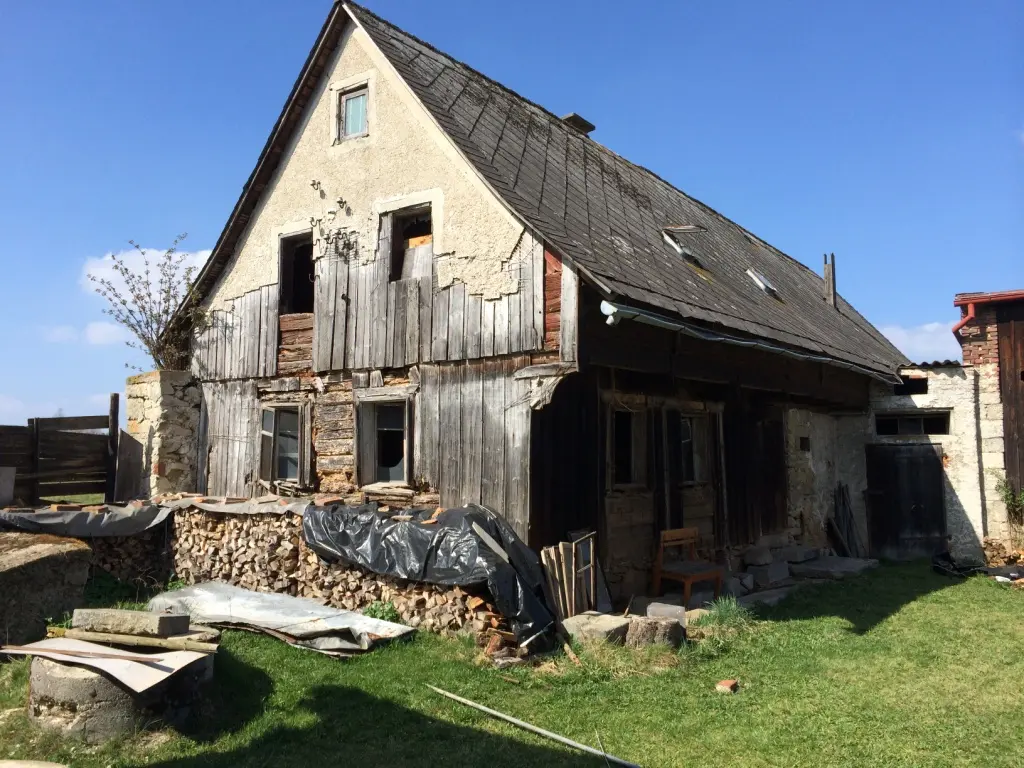
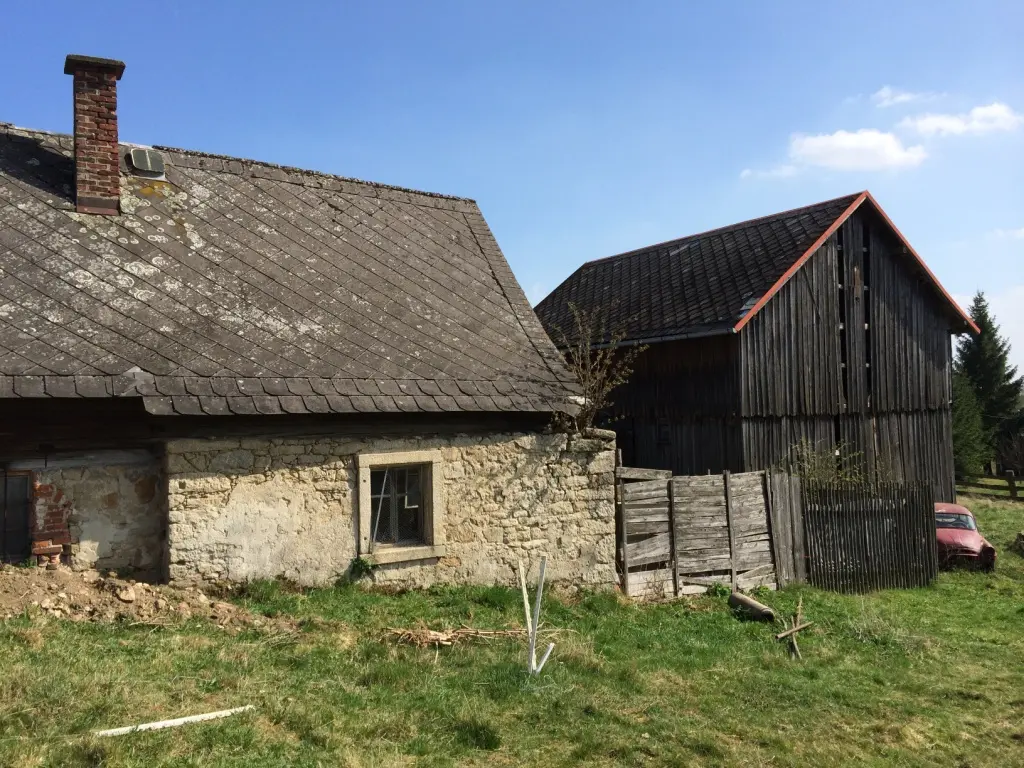
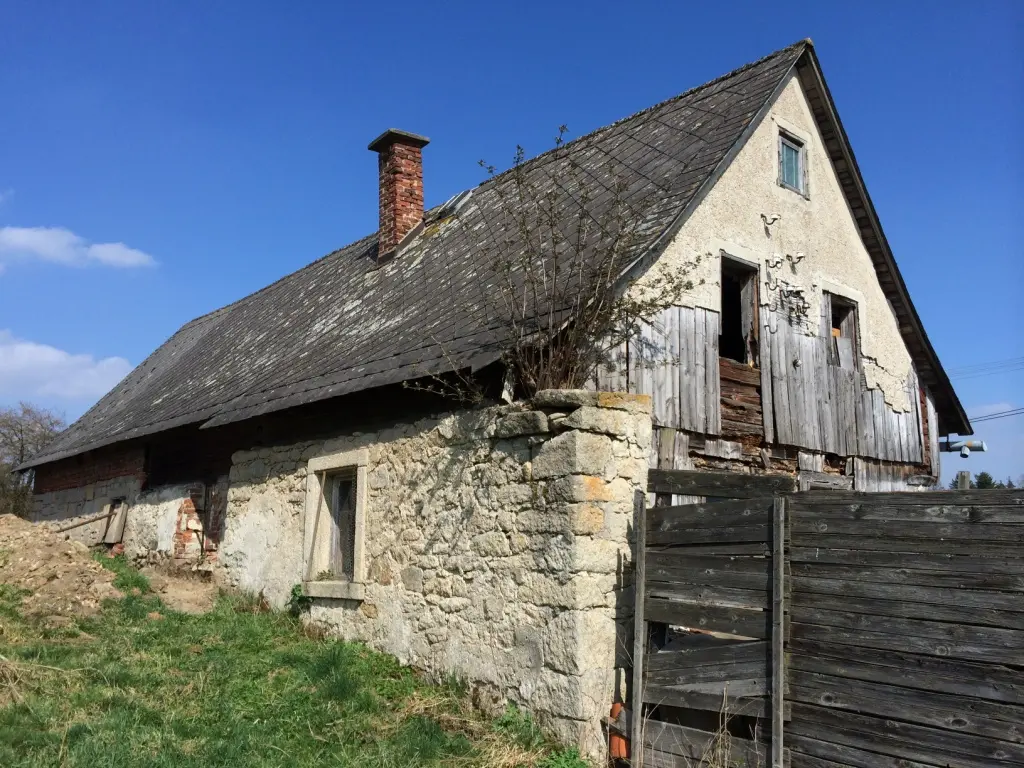
The oldest part of the property — the traditional wooden house — dates back to approximately 1770–1800. After generations of surviving the passage of time, the building later came close to disappearing from the landscape completely.
Since the 1950s, the building has gradually deteriorated, and according to eyewitnesses, it was even slated for demolition, much like many other buildings in the border region. The reason was the former regime’s concern about possible misuse near the state border.
In the 1960s, the farm passed into the ownership of the current owner’s family and continued serving agricultural purposes. Although keeping animals inside the house damaged parts of the structure, it paradoxically helped prevent the building from being completely abandoned or demolished. From the 1990s onward, the property remained unused.
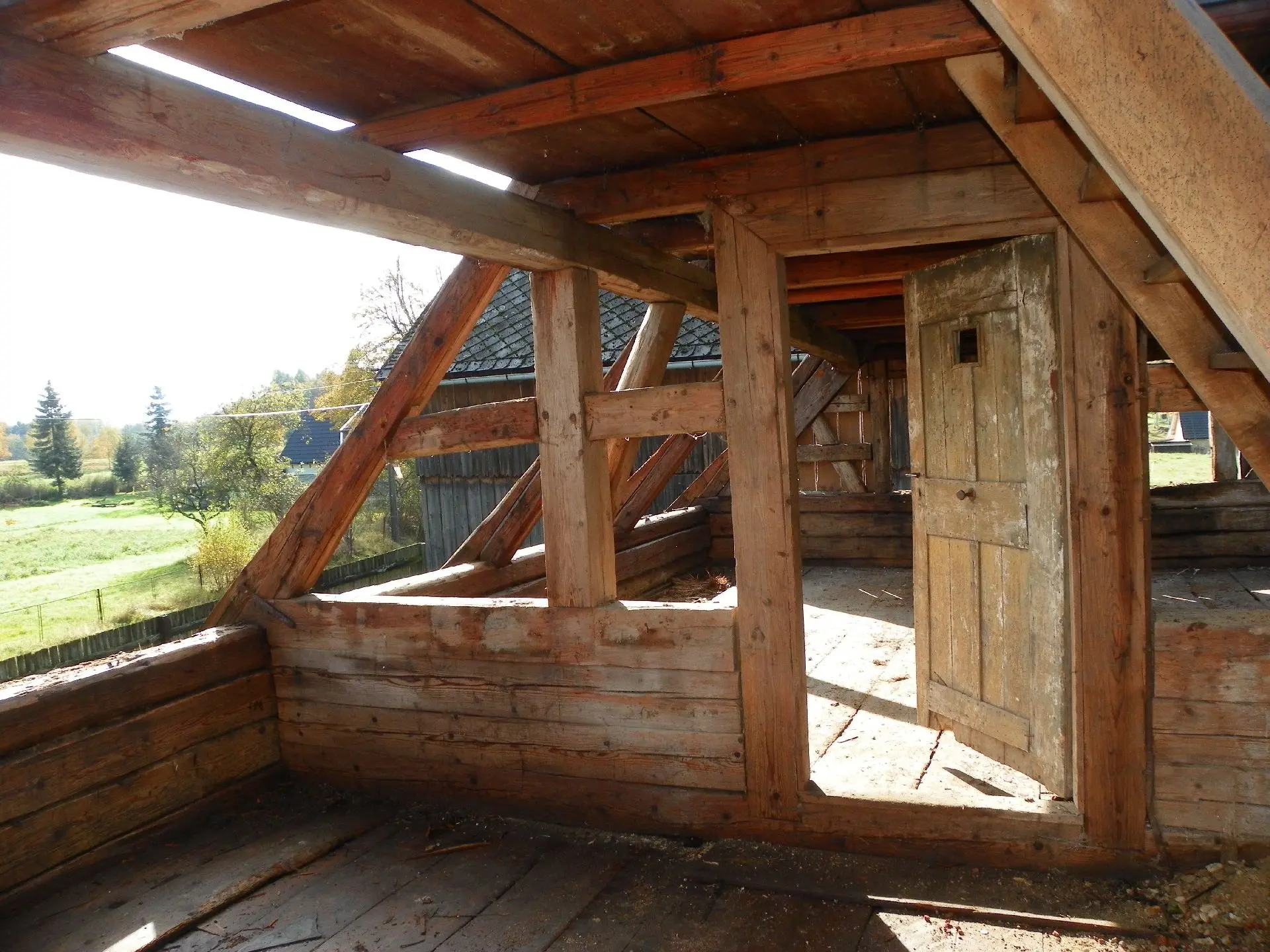
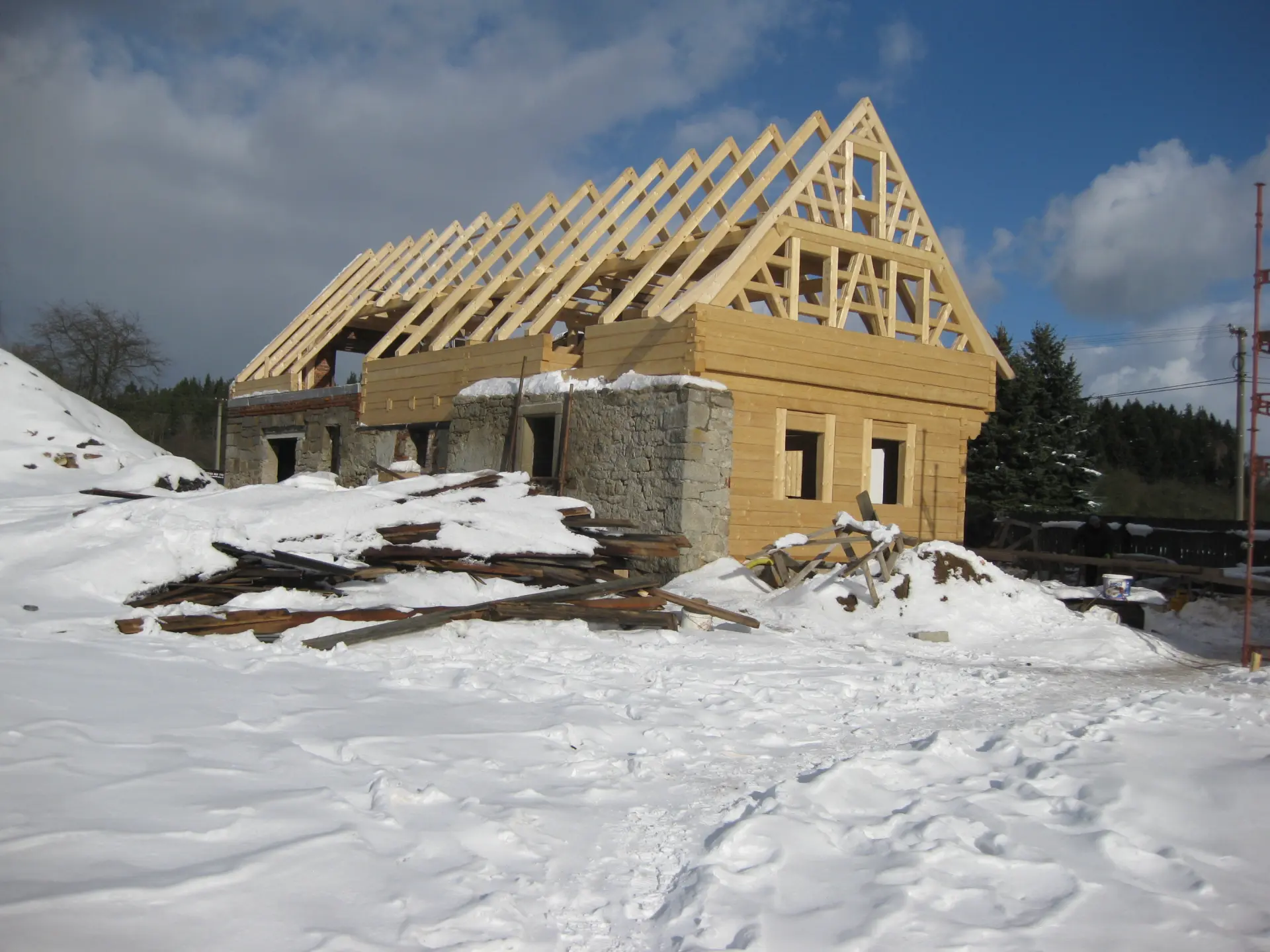
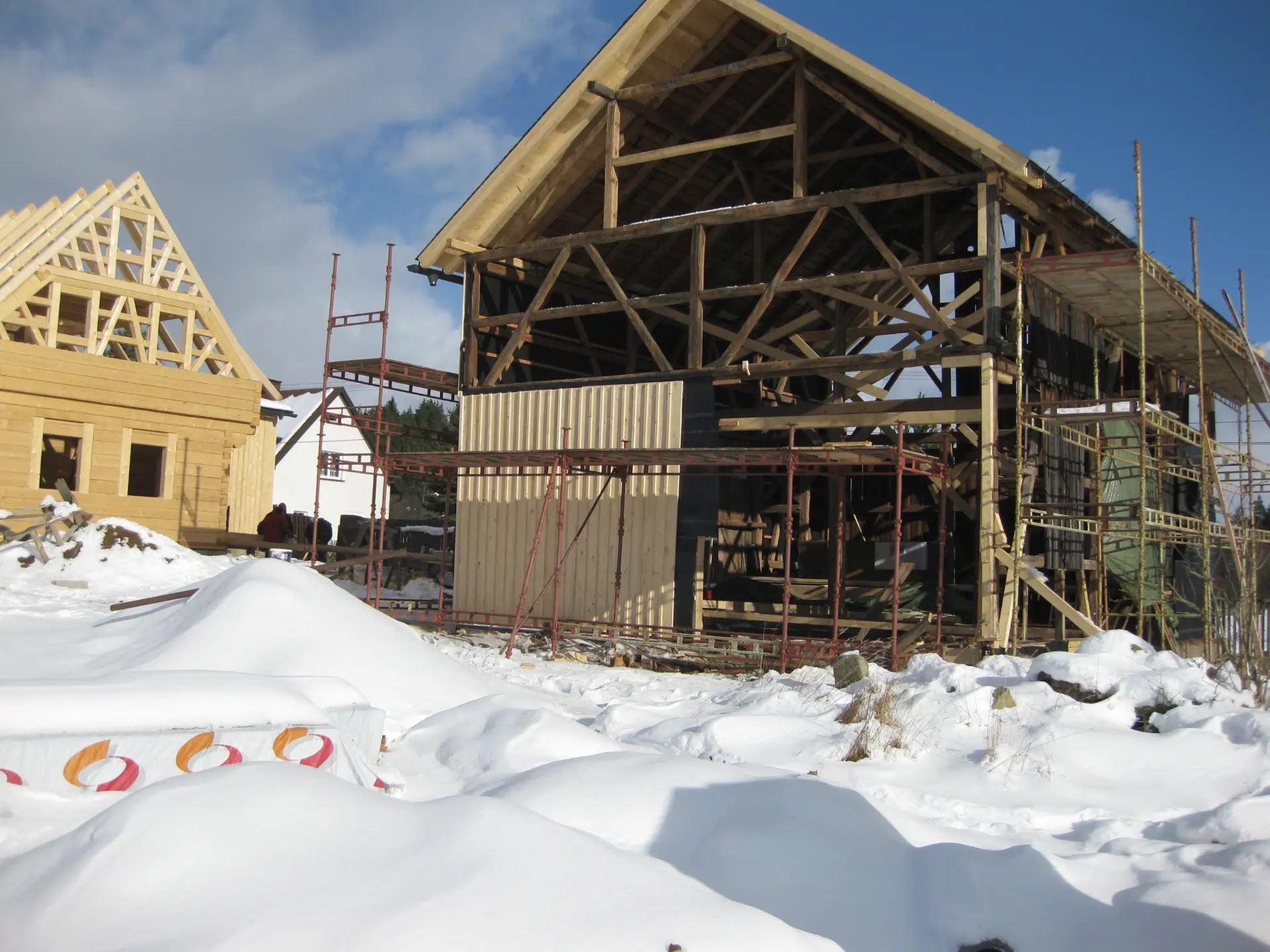
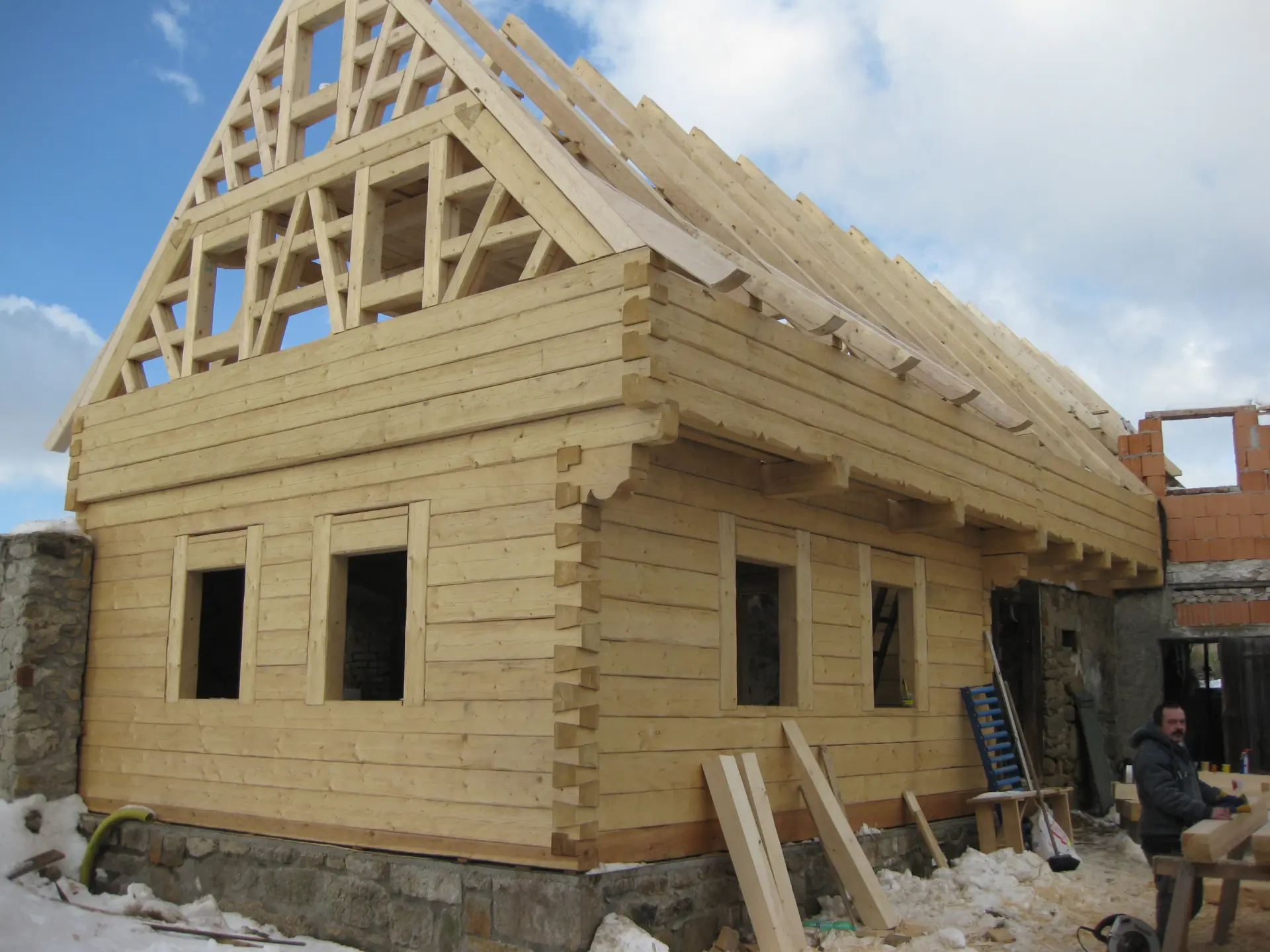
The goal of the renovation was to restore this unique example of traditional rural architecture as authentically as possible. Hand-hewn beams, assembled using the traditional “finger-joint” technique, period-inspired colours and historically appropriate roofing materials were used. During the restoration, the original half-timbered gable, which had been hidden beneath the plaster, was uncovered, and the original side door - which remains part of the building to this day - was preserved.
SAt the same time, great emphasis was placed on modern comfort and a sensitive connection between history and contemporary living. The renovation proves that even a house more than two hundred years old can offer comfort, peace and an atmosphere many modern buildings simply lack.
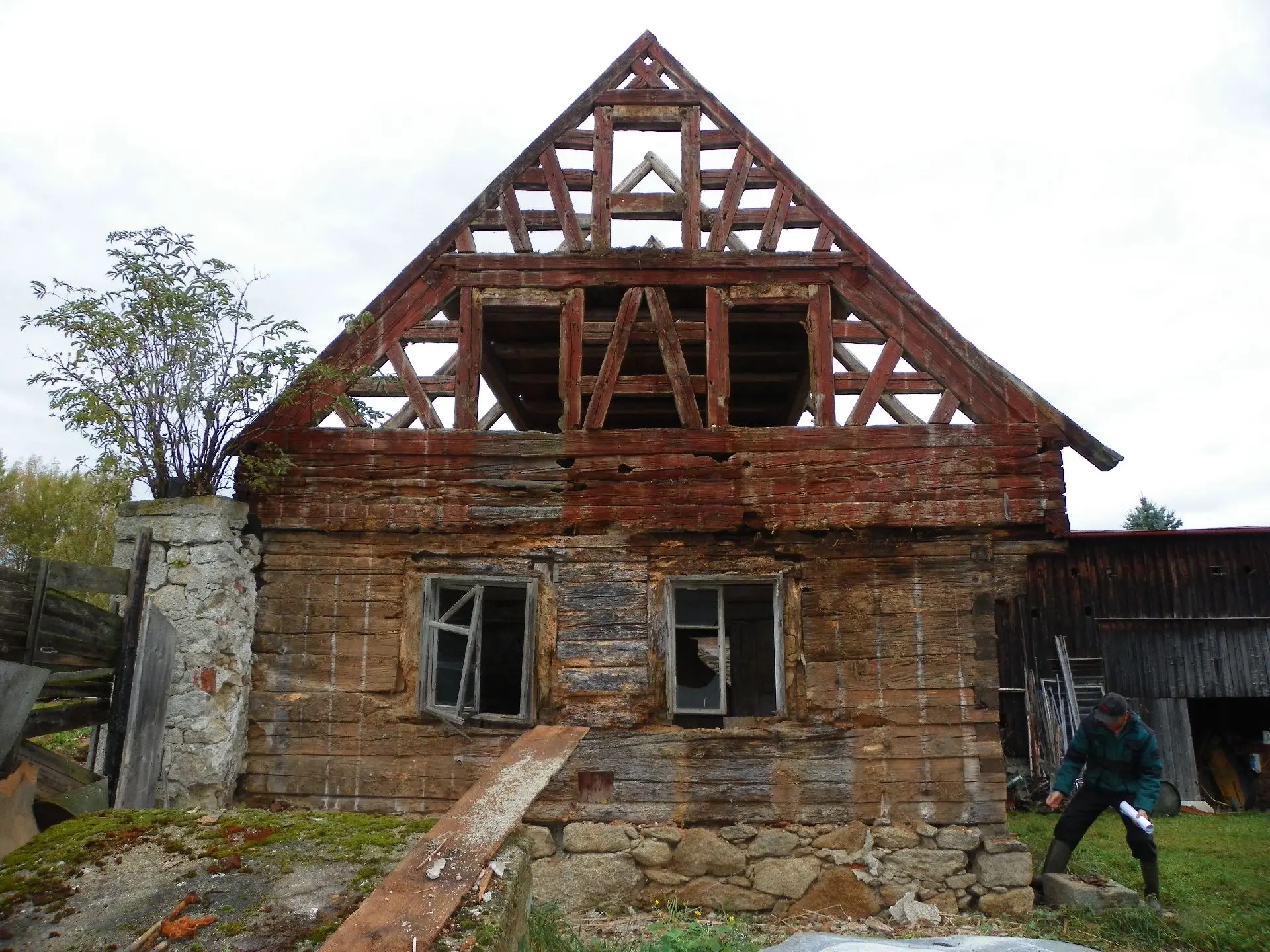
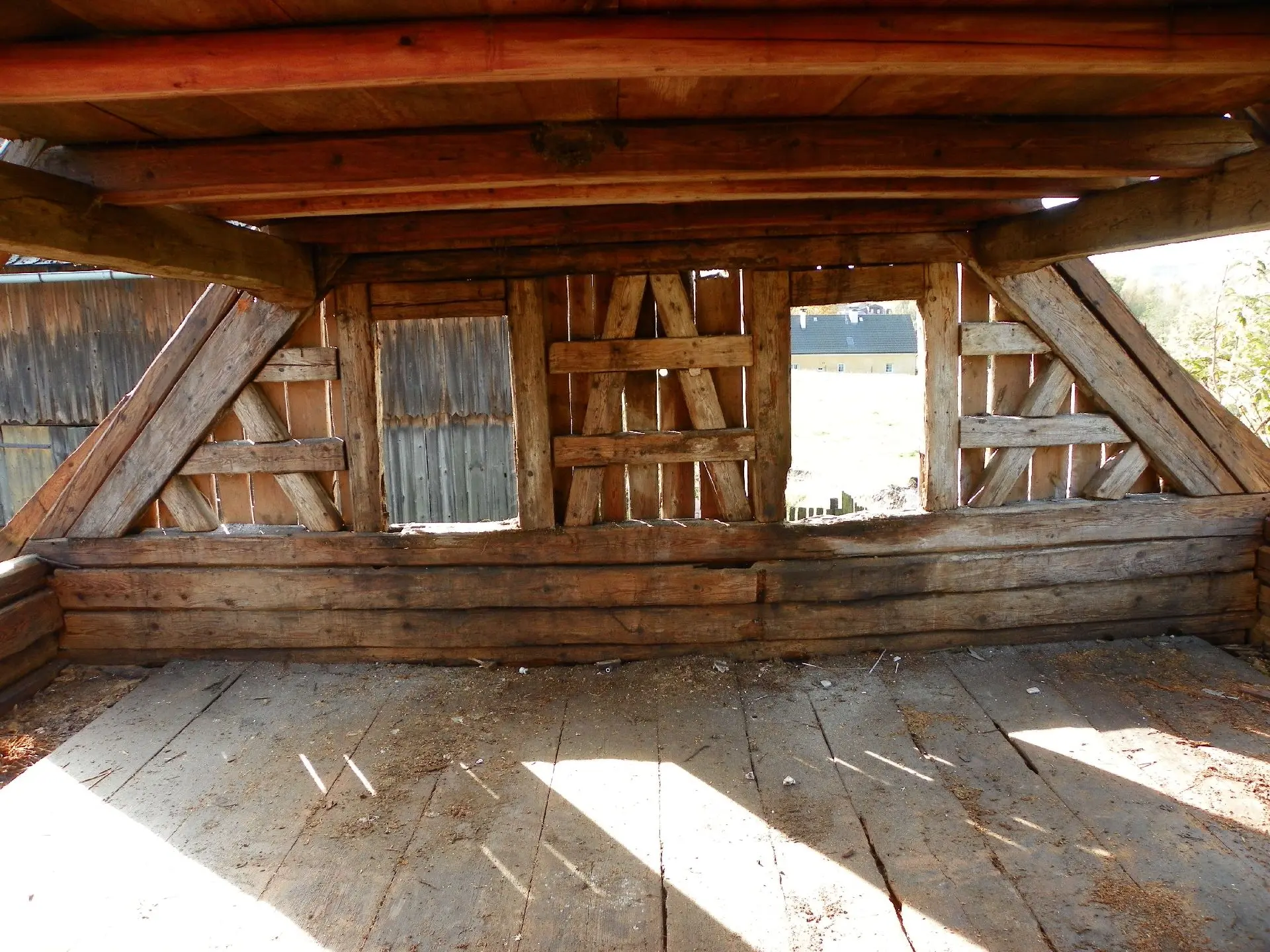
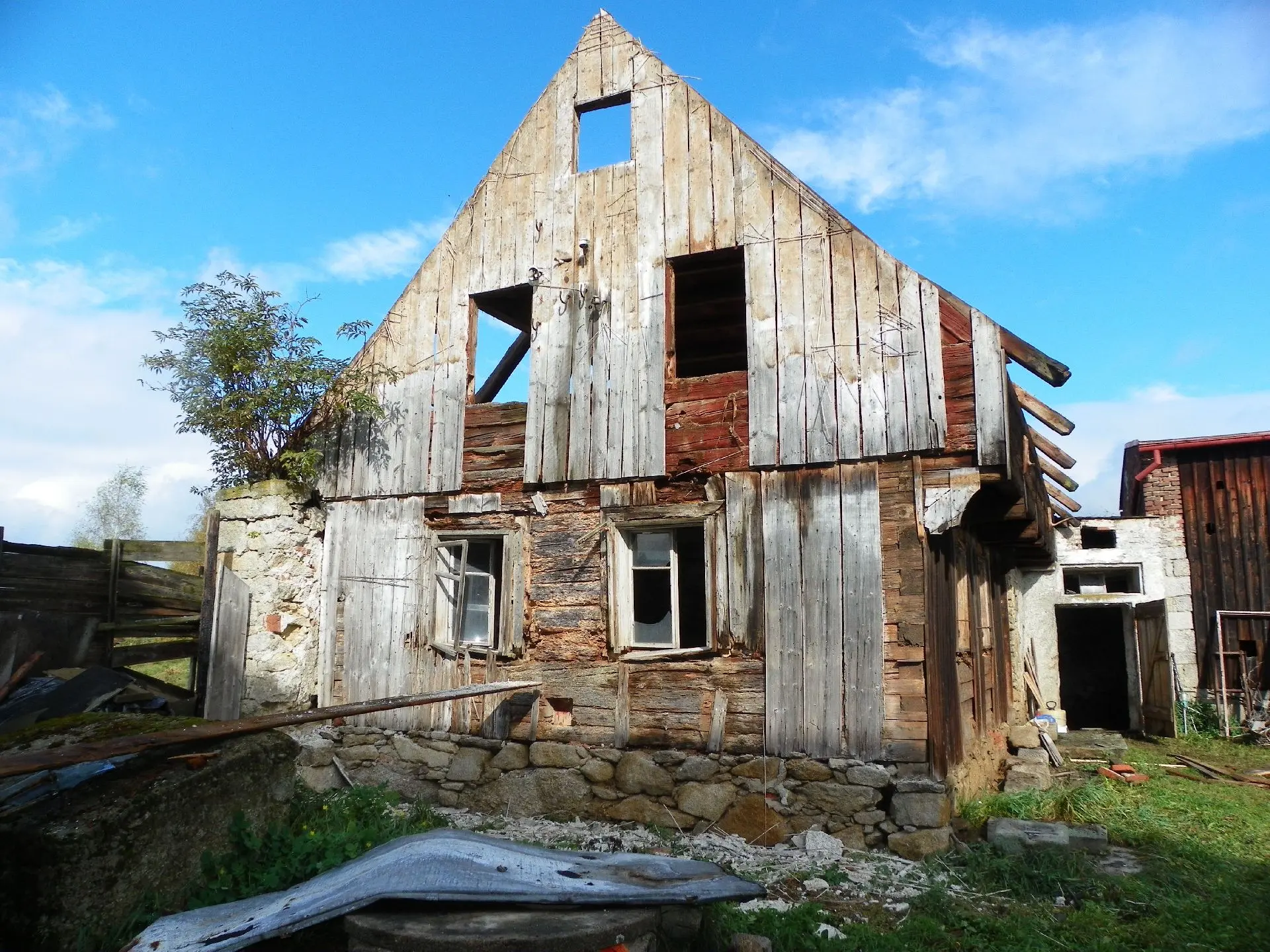
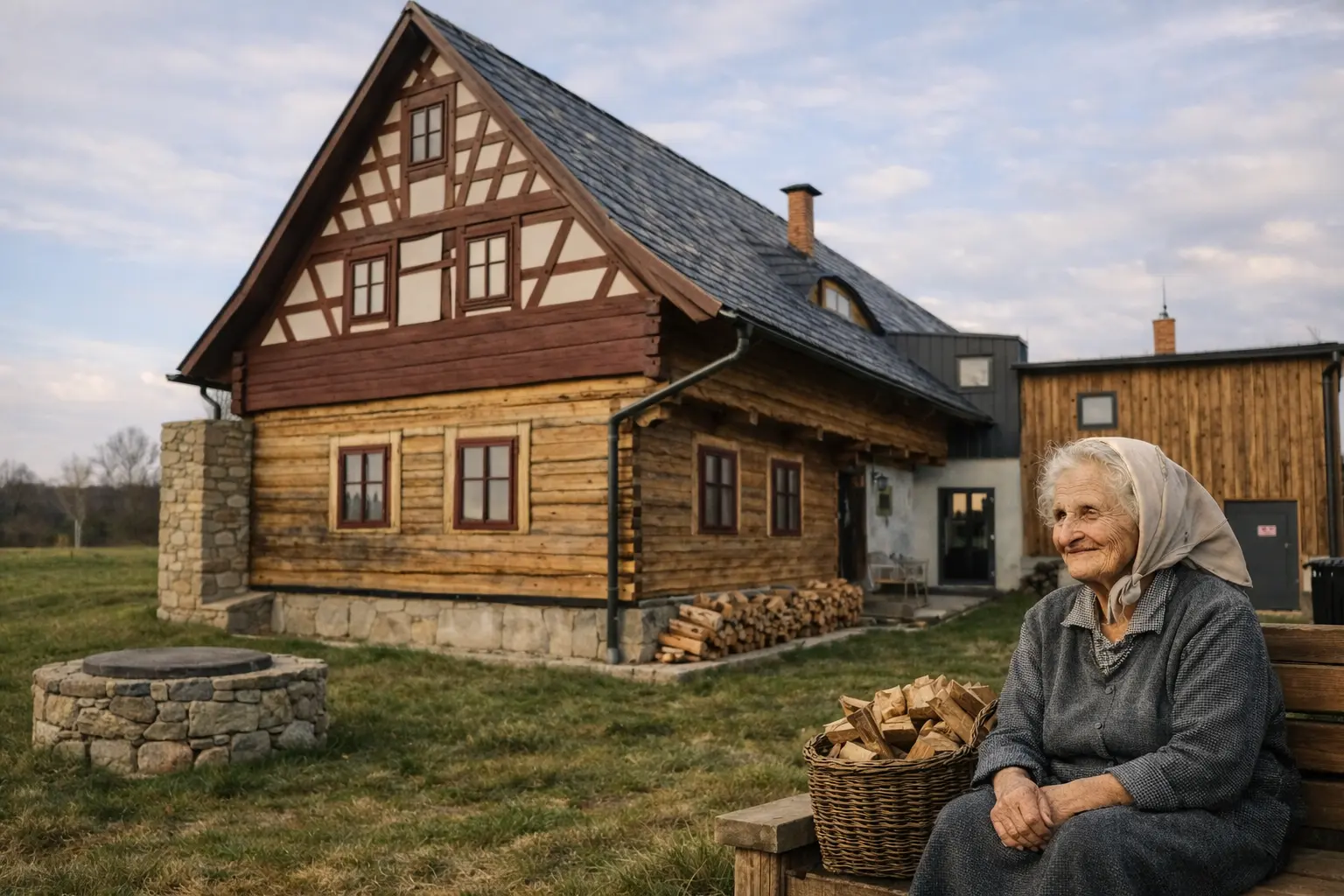
The farm became part of the current owner’s family in the 1960s. It was here that he spent his childhood - at a time when the house still served the farm and life followed the slow and honest rhythm of the countryside.
His grandmother lived her everyday life here, caring for the farm and keeping pigs and chickens inside the house. For her young grandson, this little corner of the world became a place of safety and imagination.
The house carries the name “U Babi” in her honour - “At Grandma’s” in Czech. Not only as a memory of one particular person, but as a tribute to generations who lived ordinary lives here and gave this place its soul.